

September was an insane month for AI, especially if you’re a software engineer trying to keep up.
OpenAI launched an entirely new generation of models. Anthropic shipped major Claude upgrades. Grok got cheaper and more competitive. Meta started testing a consumer agent that sometimes delegates work to actual humans. And somewhere in the middle of all that, a new AI architecture showed up claiming LLM-level intelligence at a fraction of the cost.
That’s a lot.
You probably don’t need to know about every model release, benchmark, or AI product that launched this month. But there were a handful of developments that actually matter for how we build software and use AI at work.
Here’s what I think is worth knowing.
Opus 5.5
Anthropic launched Claude Opus 5.5, which comes at a surprisingly cheap cost per token. It’s the same price as Opus 5.0, and wildly more capable.
The biggest benefit I’ve seen personally is neither performance nor cost.
It’s communciation. Opus 5.0 was obnoxious honestly. It always impressed me how many words it took to say nothing. 5.5 is a clear fix!
If you don’t see Opus 5.5 as an option when you run /model in Claude Code, update and restart Claude Code.
Sonnet 5.5 also launched, and the headline is that it needs 30% less tokens per task!
Neither launch is huge news, but both models are noticeable improvements in Claude Code.
Today’s post is sponsored by re:cinq
Most AI initiatives stall after the first licences and promising pilot results. The challenge is turning individual adoption into a repeatable capability across engineering teams.
This free whitepaper maps nine stages of AI adoption, the bottleneck at each stage, and what to focus on next—so readers can understand where their organization is today and how to move forward.
GPT-6
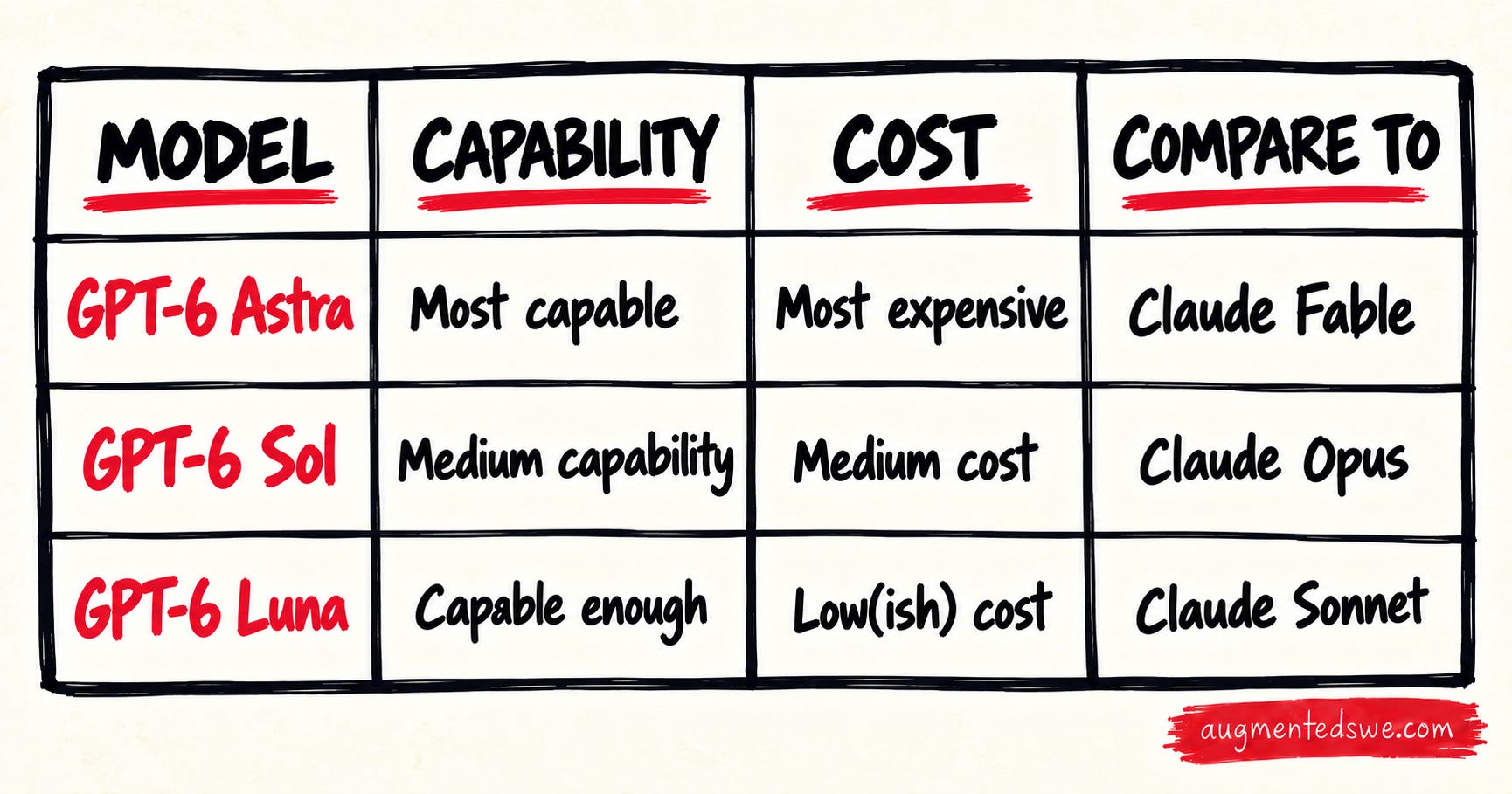
OpenAI launched GPT-6 Astra, then GPT-6 Sol and GPT-6 Luna.
These are three tiers of the new generation of OpenAI models. If you know a bit of latin, it’s obvious which is the smarter and more expensive one:
GPT-6 Astra → Most capable → Most expensive → Compare to Claude Fable
GPT-6 Sol → Medium capability → Medium cost → Compare to Claude Opus
GPT-6 Luna → Capable enough → Low(ish) cost → Compare to Claude Sonnet
I stand by the advice in last month’s article on choosing a frontier model. Luna or Sol are both good choices. I have been using Sol as a planner and orchestrator and Sol as subagents with good results.
Meta Muse
The race is on for generally useful agents. Software professionals have long-enjoyed the benefits of agentic models for our work, so it should be no surprise that companies are moving towards the consumer market.
But what I didn’t see coming is that Meta is testing using “human concierge” to complete some requests! Weird!
Are you using Muse? I’d love to hear from you!
Jev
Jev is a new AI tool built on a totally different paradigm. Jev achieves similar levels of intelligence compared to existing LLMs, while being two orders of magnitude faster and more efficient.
It relies on a new training method, Reinforcement Learning for Calibrated Decisions (RLCD), instead of the RLHF that powers LLMs.
Outputs are typesafe structured values, which the team claims prevents hallucinations.
AGENTS.md in Claude
Historically, Claude Code ignored AGENTS.md. It’s frustrating since the rest of the industry standardized but Claude stuck with CLAUDE.md instead.
So frustrating, that I wrote a recent guide on how to link CLAUDE.md to AGENTS.md. Someone at Anthropic must’ve been paying attention because the latest Claude Code now falls back to AGENTS.md if there is no CLAUDE.md present.
You’re welcome!
Grok 4.7
Grok is becoming increasingly relevant with the acquisition of Cursor by SpaceX (and by proxy, xAI).
I’ll admit I didn’t take grok models seriously for a long time. But it’s obviously exploded in usefulness.
But the biggest improvement is cost!
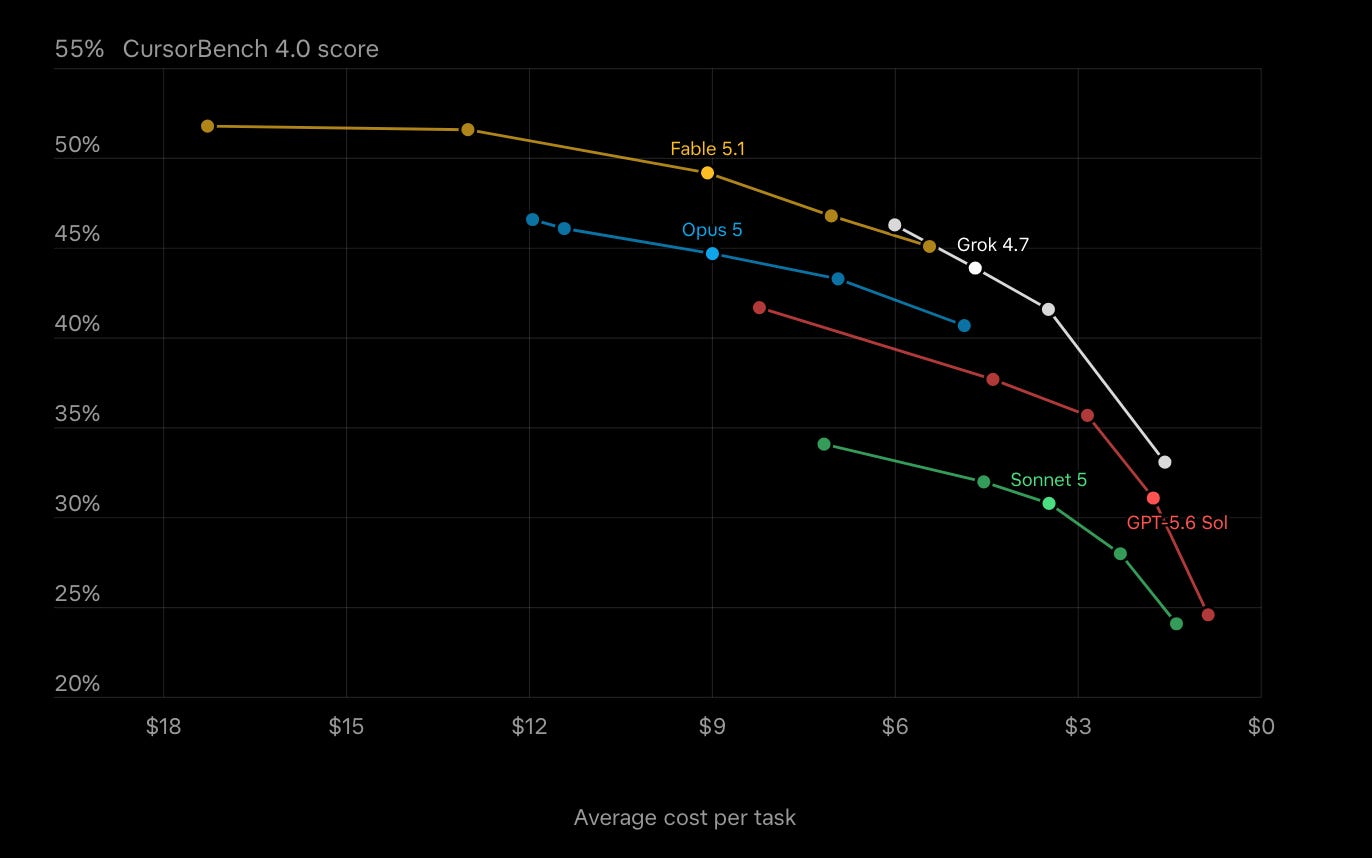
If you’re a heavy token user, I’d really start considering Grok as a first-class option. Especially if you have a Cursor subscription. And if you haven’t already, give Grok Bot a try.
New home for tips from Anthropic
Anthropic launched a new blog for “tips, tricks, and POVs from Anthropic’s developers.”
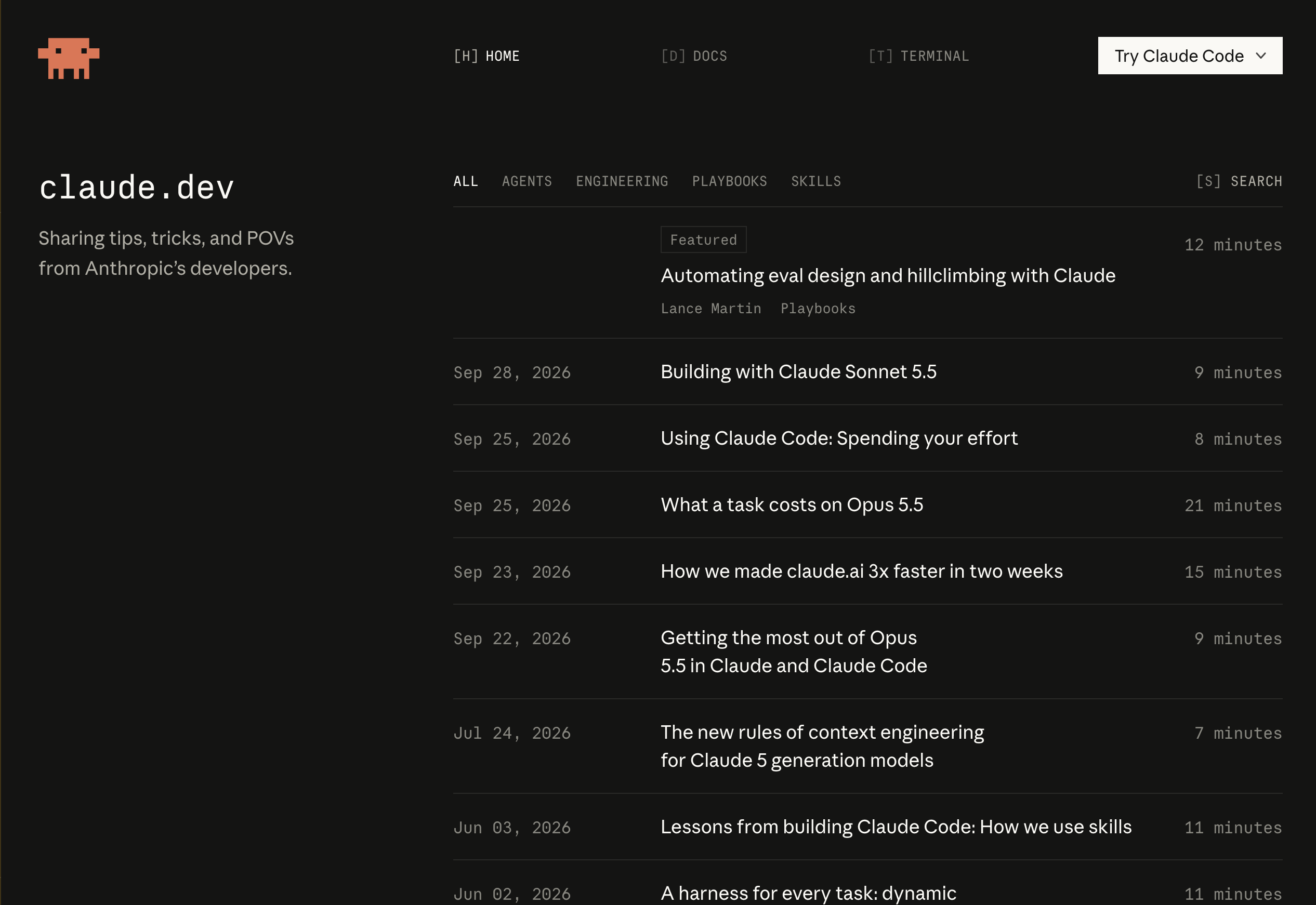
If you follow this newsletter, you’ll probably enjoy this blog too! But don’t worry, I’ll continue to give you the highest-signal info in this newsletter :)