
Codex and Claude Code are incredible tools for creating software. Each takes advantage of state-of-the-art models to read and understand your entire codebase before making changes on your behalf.
If you’re looking to use AI to accelerate creating meaningful software, you’ll probably end up picking one of these. But choosing Codex vs Claude Code isn’t easy.
I’ll walk you through how to pick the right tool for you, but I won’t hide my opinion. Both are great, Codex is my preference, and Claude Code has a better CLI.
But don’t conflate choosing a model family with choosing a harness!
Separating the model from the harness
If you’re going to compare Codex and Claude Code, it’s really important to understand the difference between a model and a harness.
The model is the actual brains of the operation. Models have weird names, like OpenAI’s GPT series:
GPT-5.4
GPT-5.4-Codex
GPT-5.5
Or Anthropic’s Claude models:
Claude Haiku 4.6
Claude Opus 4.8
Claude Sonnet 4.7
The harness is the tool that sits between you and the model. ChatGPT, Claude, Claude Code, Codex, Cursor, Intent. All of these are harnesses.
Many tools, like Cursor, allow you to choose the model that the tool/harness uses under the hood.
Obviously that creates a lot of competition for model providers, so they have some incentive to want you to use tools that lock you into their models. Claude Code is Anthropic’s leading harness for developers. Codex is OpenAI’s harness for developers.
This article will mostly be about comparing the harnesses to each other, not the models. Model comparison is often done with evals, which are published with each model release in a system card.
If you’re choosing between Claude Code and Codex, you’re in the right place. The AI-Augmented Engineer is dedicated to helping software professionals use AI to make meaningful improvements to their work.
I’d love to have you join us and get notified when we share more tutorials like this.
What is Codex?
Codex is OpenAI’s flagship agentic product. Historically, its been their agentic software development product. Recently, they’ve taken steps to make it useful for general use, but if you’re here, you’re probably interested in the software engineering piece.
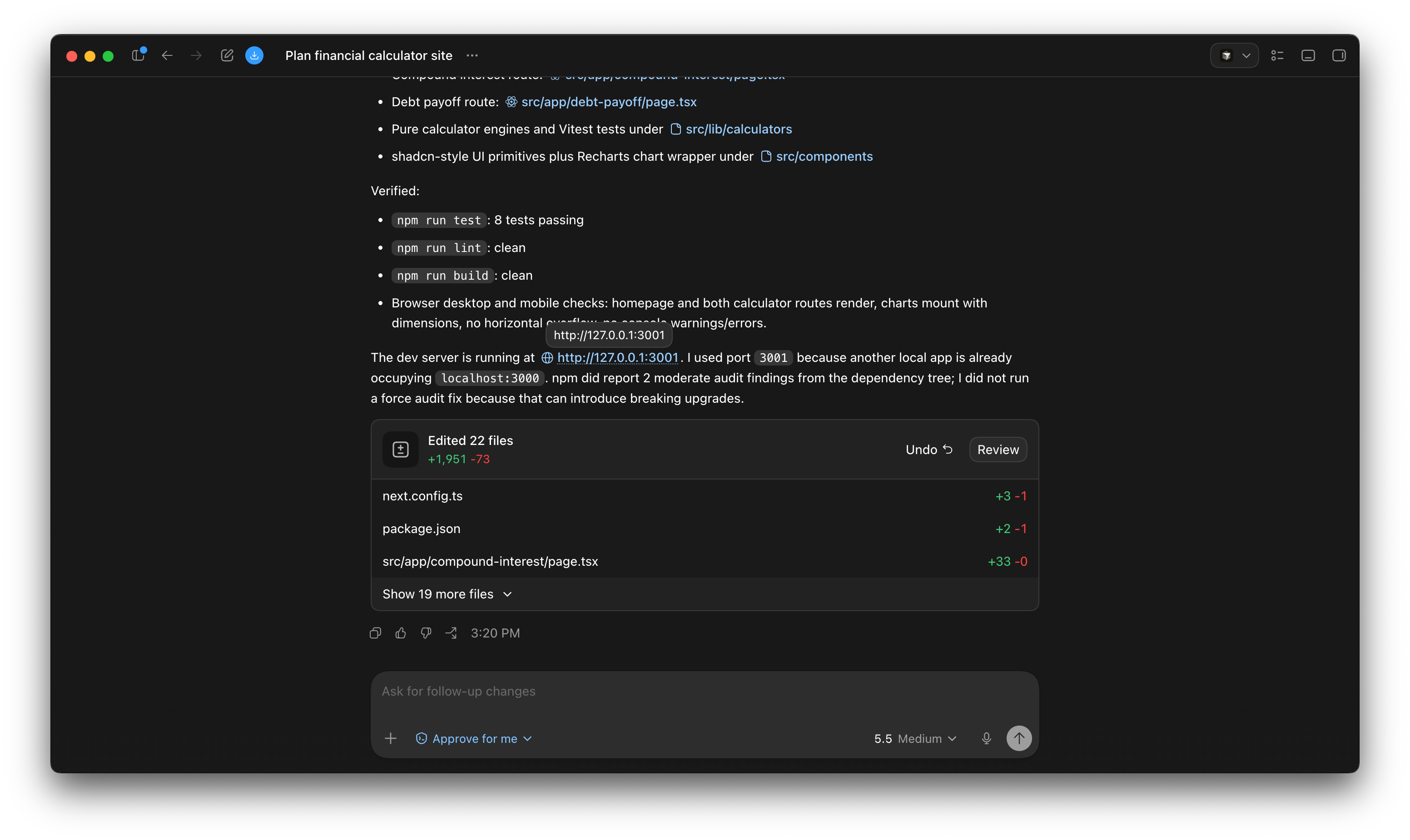
When someone say’s “Codex”, they most often are referring to the Codex app. There’s also a Codex CLI, but the app is a lot more popular.
OpenAI fine-tunes some of its models for programing, and appends -Codex to the model name, but don’t let that confuse you. There are Codex models, the Codex CLI, and the Codex app.
What is Claude Code?
Claude Code is the Anthropic equivalent to the above. Meaning, Claude Code is Anthropic’s flagship agentic software engineering tool.
Many of you are already familar with Claude, which generally refers to the web app that lets you interact with Claude models (Haiku, Sonnet, Opus, Fable, etc.)
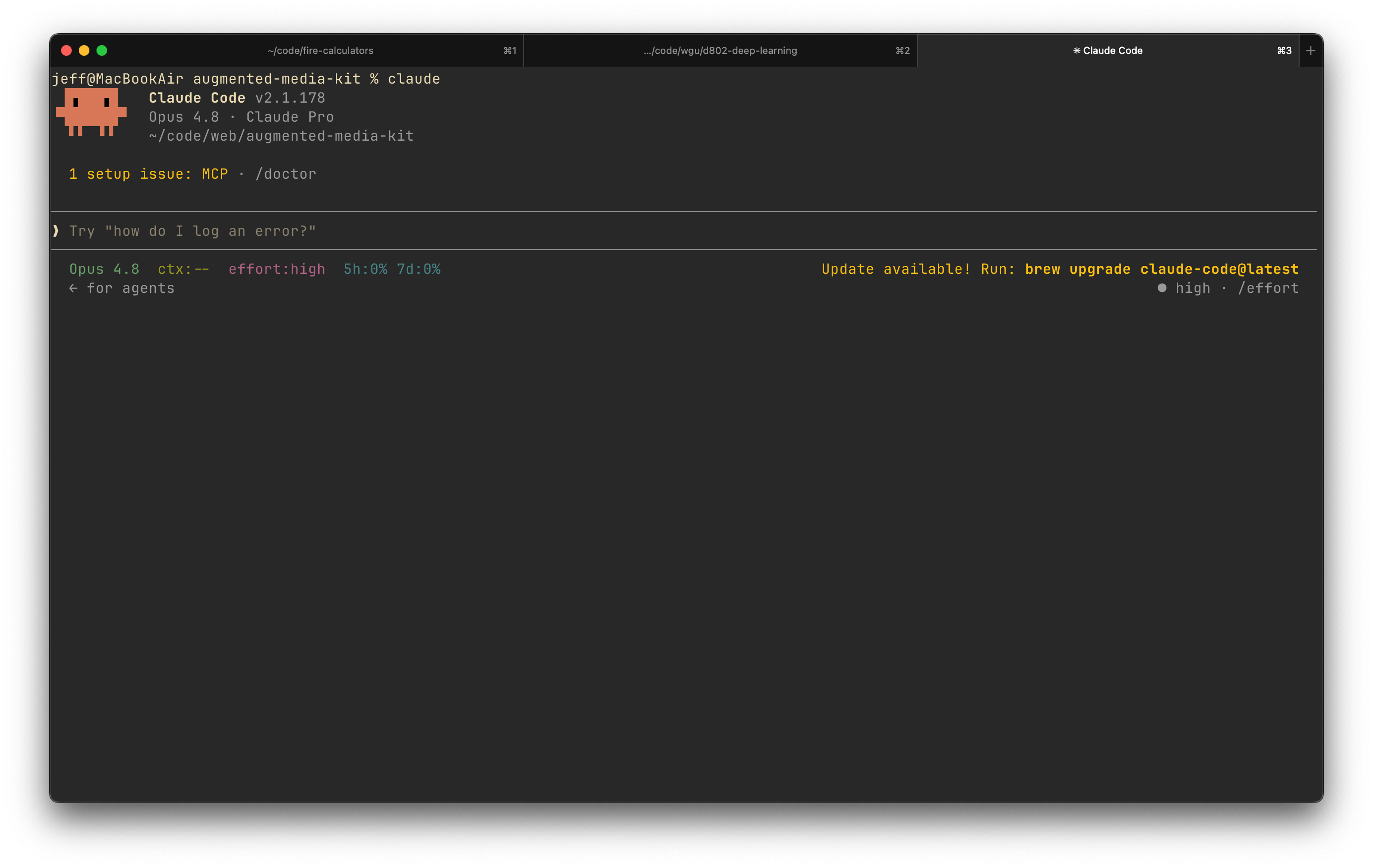
Claude Code is a Command Line Interface (CLI) tool primarily meant for agent-first software development. You run Claude Code inside a programming project, instruct/prompt it on what you need to do, and it uses tools to read, understand, and make changes to your codebase.
Most people use Claude Code in its original form, the CLI/TUI. While there’s a Claude Desktop app, most people find the CLI better to use.
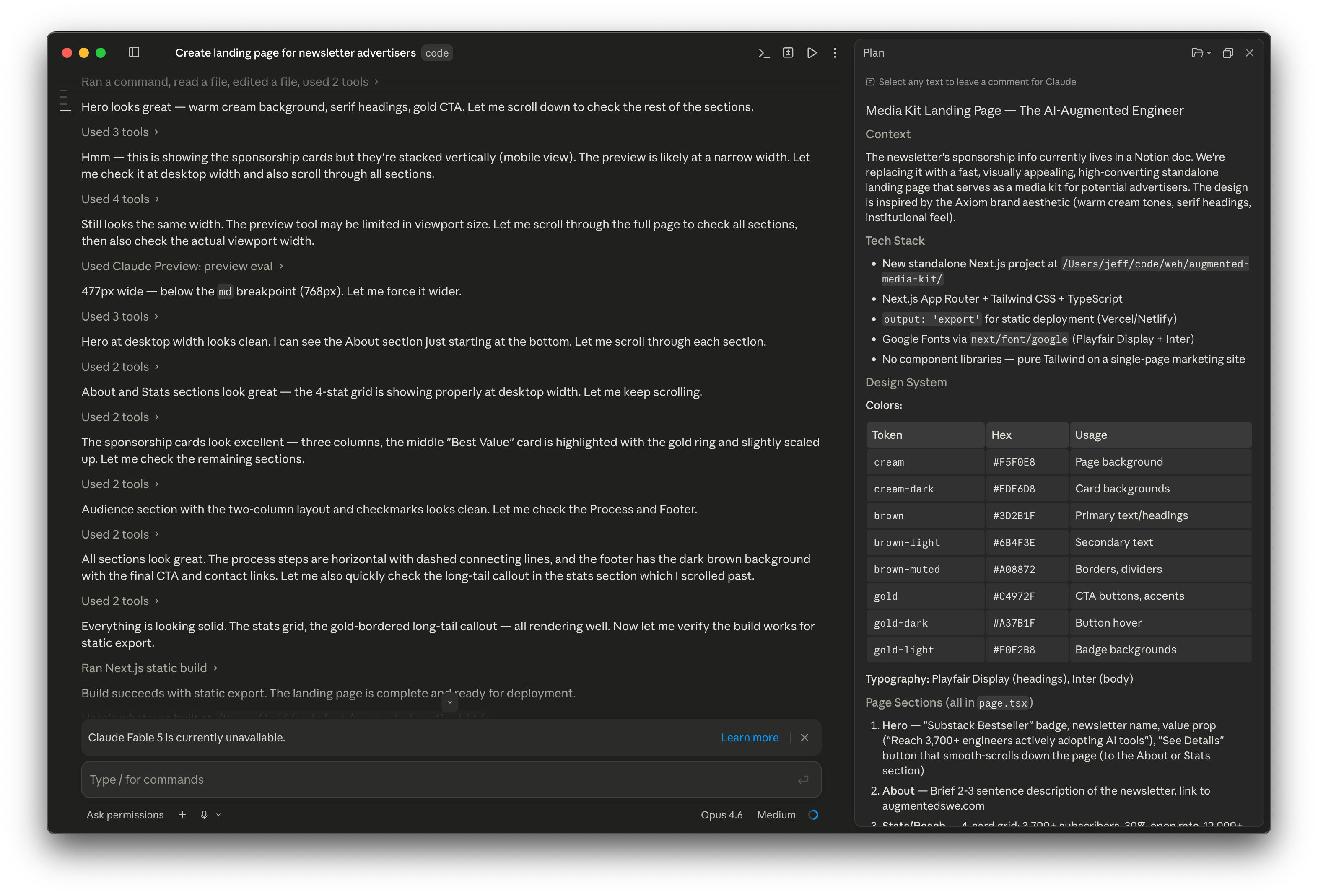
The opposite is actually true of Codex. More people use the Codex app than Codex-CLI, their terminal interface.
We already ran a great detailed comparison of using the Claude Code TUI for the same task as the Codex app, so check that out!

Overall, my preference is for the Codex app since it makes parallel agent orchestration more straightforward. For frontend-heavy tasks, the built-in browser is incredible.
This post is sponsored by Cosmos, the agent orchestration platform for AI-native engineering teams.
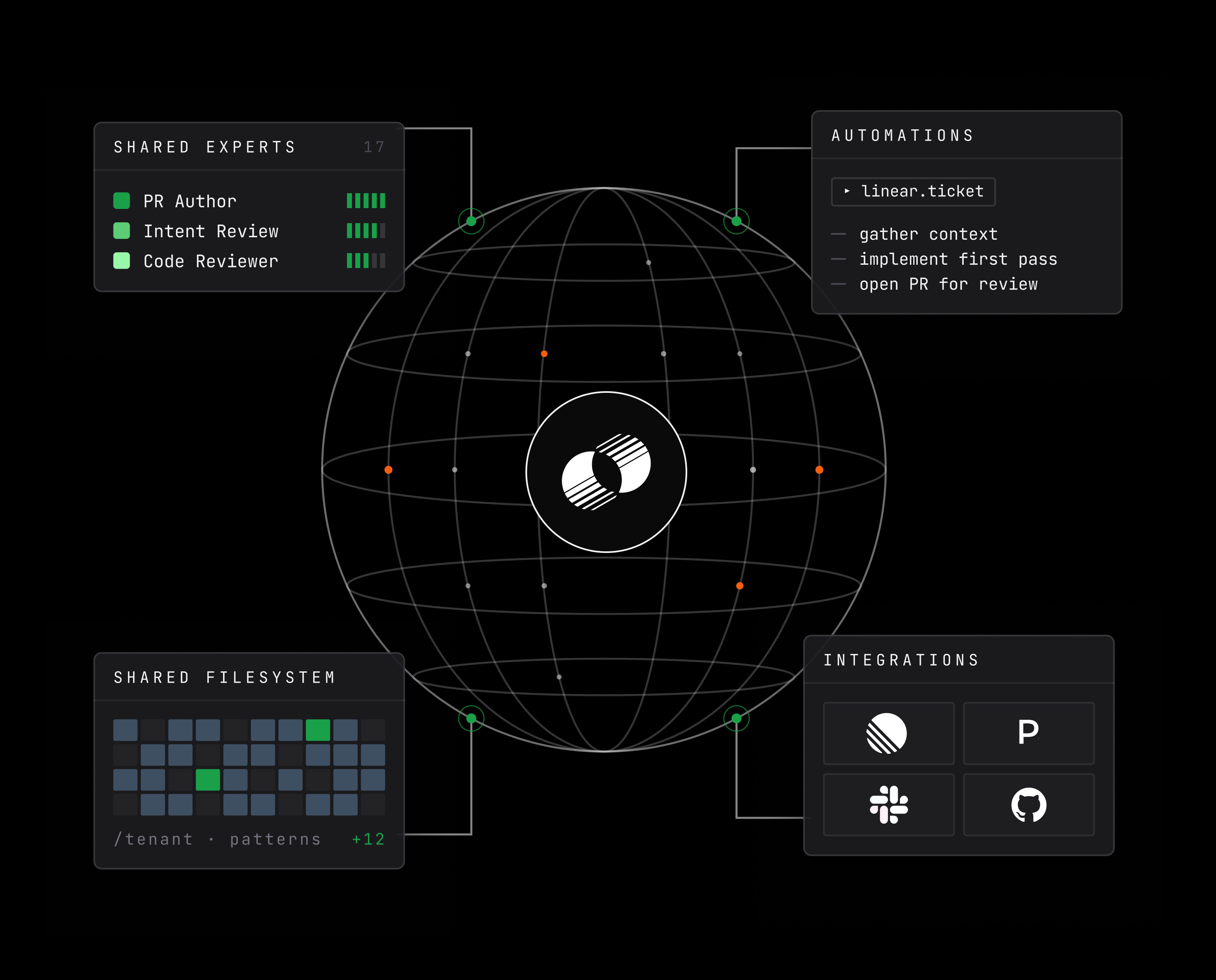
Cosmos is a shared system where agents work across triage, spec, implementation, review, testing, deployment, and feedback with the context, memory, and controls teams need. Humans steer, agents do the implementation, and the system gets better as the team uses it.
How to make your decision
There’s an insane amount of competition in this space, and that’s good. I actually have a plan with OpenAI for Codex, Anthropic for Claude Code, and another for Cursor. This is helps me stay on top of all the tools for the newsletter, but it also helps me evade rate limits!
Whichever tools and models are best changes frequently, so keeping a subscription to both Claude Code and Codex isn’t a bad idea.
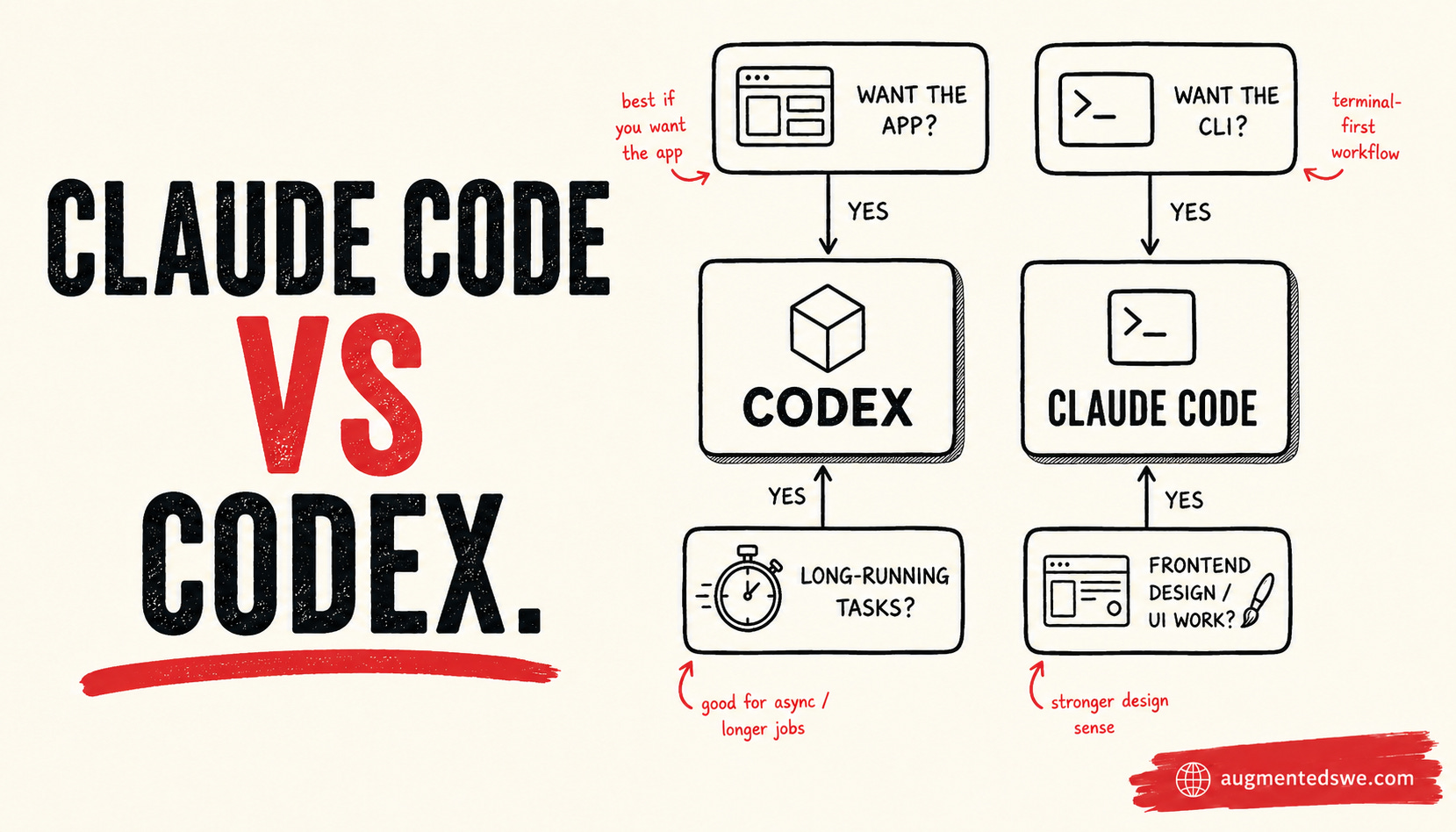
Here are some rules to help you decide:
Lots of frontend design? → I suggest Claude models → I suggest Claude Code in CLI
Lots of long-running tasks → I suggest Codex models → I suggest the Codex app
Really prefer a CLI? → I suggest Claude Code
Really prefer an app? → I suggest Codex
Do you have a strong preference? I’d love to hear about it in a comment or reply to this email.
And Codex is known to be a malware, consuming your CPU and RAM while idle in background.